
Table of Contents
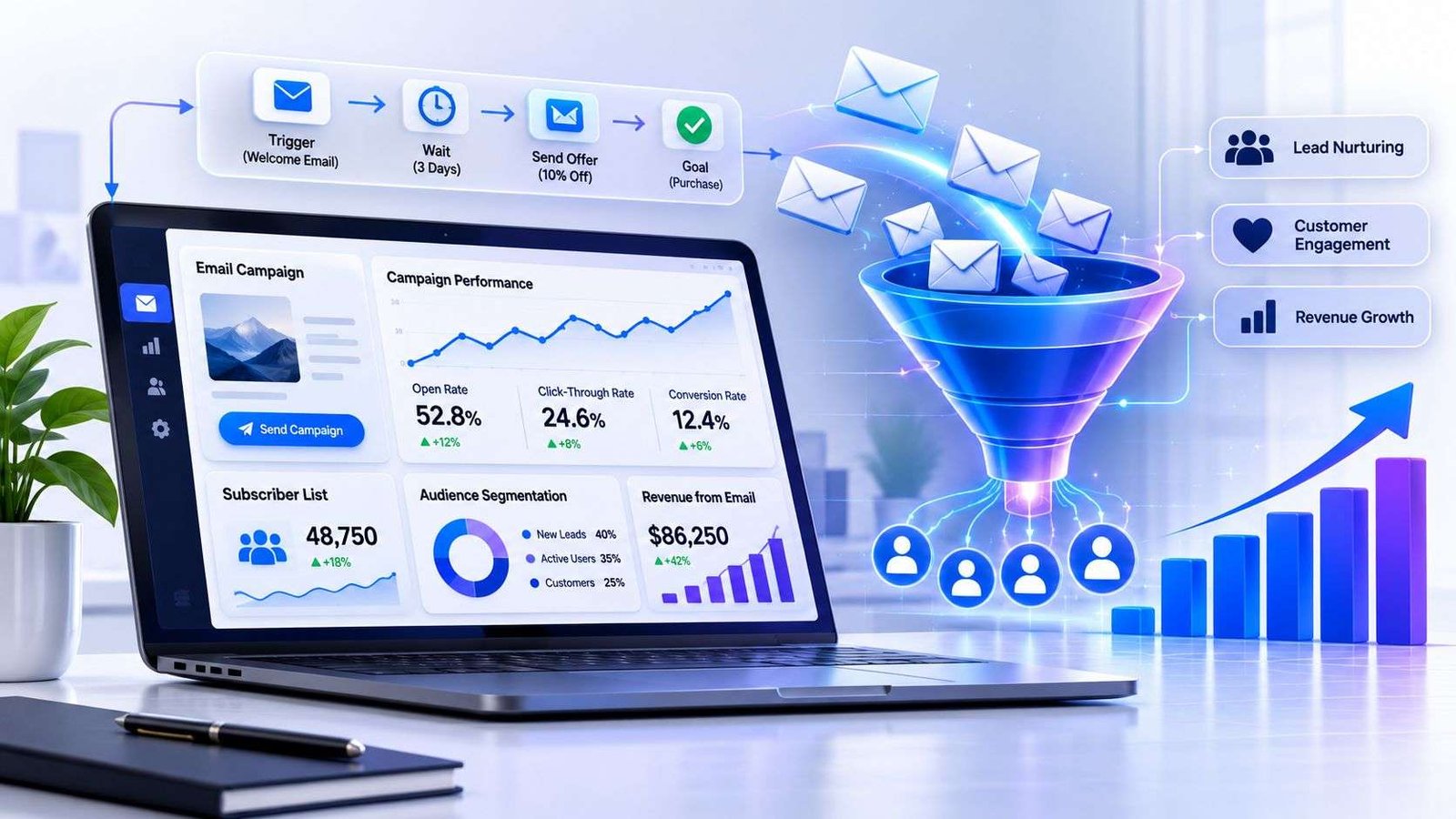
Email Marketing remains one of the most valuable growth channels for Series A companies because it turns customer relationships into measurable revenue, strengthens retention, and gives founders greater control over their marketing performance.
For a Series A startup, every marketing dollar matters. Founders must balance customer acquisition costs, revenue growth, investor expectations, and long-term profitability. Paid advertising can generate immediate traffic, social media can build brand awareness, and search engines can attract potential customers. However, these channels do not always give businesses a direct or consistent way to communicate with their audiences.
This is where Email Marketing creates a competitive advantage. It allows companies to build first-party customer relationships, nurture potential buyers, communicate personalized offers, and encourage repeat purchases without depending entirely on advertising platforms.
Rather than treating email as another promotional activity, growth-focused companies should approach it as a revenue-generating business channel. With the right segmentation, automation, content strategy, and performance tracking, Email Marketing can support every stage of the customer journey.
1. Why Email Marketing Matters for Series A Startups
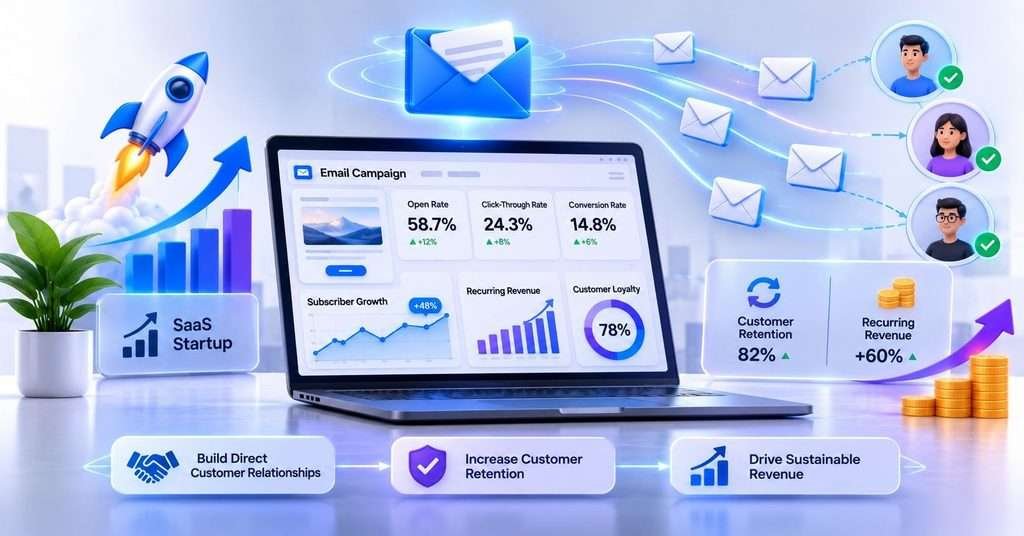
Series A companies face a different set of challenges than early-stage startups. They have already demonstrated some market demand, but now they must establish repeatable growth, improve customer retention, and build sustainable revenue systems.
At this stage, marketing teams cannot afford to focus exclusively on acquiring new customers. They must also maximize the value of existing customers
and turn one-time buyers into repeat customers.
Email Marketing gives founders a direct communication channel with people who have already expressed interest in their products or services. Unlike social media platforms, where algorithms influence content distribution, email allows businesses to communicate with subscribers through their own customer databases.
The financial argument also deserves attention. Litmus reports an average return of $36 for every $1 spent on email, although actual results vary by industry, strategy, and execution. Founders should treat this figure as an industry benchmark rather than a guaranteed outcome
Consider a SaaS startup that attracts 1,000 new trial users every month. Instead of relying entirely on sales representatives to convert those users, the marketing team can send onboarding emails, product tutorials, feature updates, and relevant upgrade offers. These messages help users understand the product and give the business more opportunities to convert interested prospects.
For Series A companies, the real advantage comes from combining customer acquisition with customer retention. Email Marketing helps teams build that connection while supporting predictable communication throughout the customer lifecycle.
2. Personalization and Automation Turn Leads into Revenue
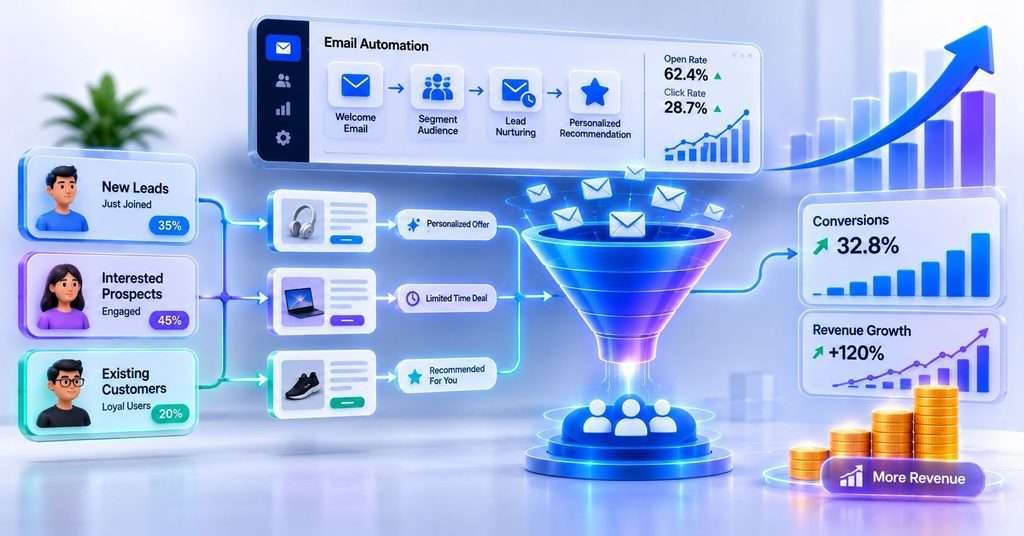
Sending the same promotional message to every subscriber creates unnecessary friction. A first-time website visitor, an existing customer, and a high-intent enterprise prospect have different expectations. Successful Email Marketing addresses these differences through segmentation and personalization.
Segmentation divides an email database into smaller groups according to relevant customer information and behavior. Marketing teams can use purchase history, website activity, subscription status, industry, company size, and previous interactions to identify meaningful audience groups.
For example, a B2B SaaS company can create three distinct segments:
- New leads: People who downloaded an industry report or registered for a webinar. Send educational content, customer insights, and product explanations.
- Interested prospects: People who visited pricing pages or requested product information. Share relevant case studies, product demonstrations, and comparison guides.
- Existing customers: People who already purchased a subscription. Provide onboarding support, product updates, advanced tutorials, and renewal reminders.
Personalization strengthens this approach. McKinsey reports that effective personalization can reduce customer acquisition costs by as much as 50%, increase revenue by 5–15%, and improve marketing ROI by 10–30%. These figures describe potential business outcomes across personalization initiatives, not guaranteed email campaign results.
McKinsey & Company+1
Automation adds another advantage: speed.
Instead of manually sending every message, teams can create automated workflows that respond to customer actions. A welcome email can follow a new subscription, a product education sequence can follow a trial registration, and a renewal reminder can reach customers before their subscription expires.
A growing SaaS startup should prioritize five automated workflows:
- Welcome and introduction sequences.
- Lead nurturing and qualification sequences.
- Product onboarding and activation emails.
- Abandoned checkout or incomplete registration reminders.
- Customer retention and renewal sequences.
These workflows allow small marketing teams to manage larger audiences without increasing their operational workload at the same rate.
However, automation should never replace thoughtful communication. Teams should review customer behavior, update messaging, and remove irrelevant sequences regularly. Email Marketing works best when automation supports customer needs rather than overwhelming inboxes with promotional messages.
3. Measure Email Marketing Through Revenue, Not Vanity Metrics
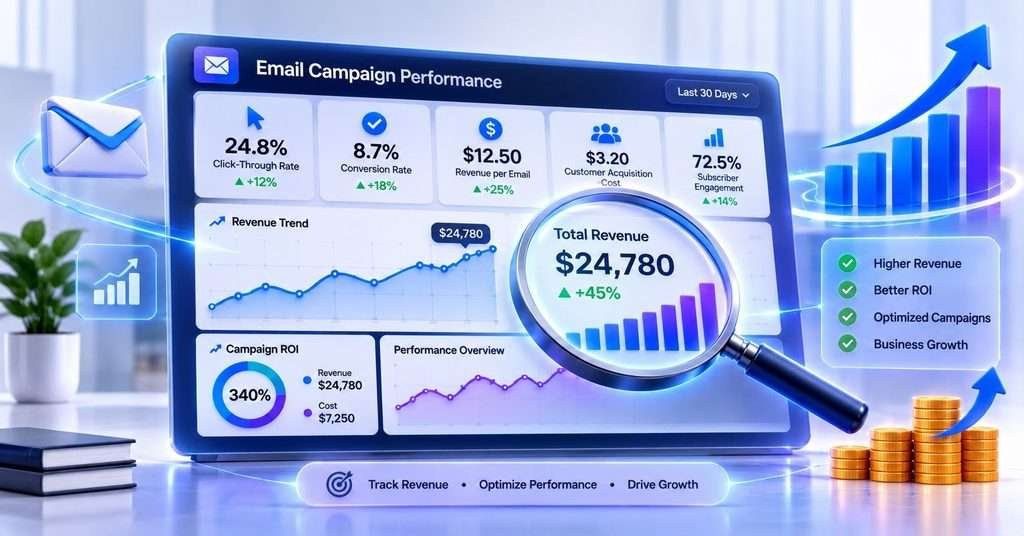
Founders rarely invest in a marketing channel simply because it generates impressive engagement numbers. They want to understand how that investment contributes to revenue, customer acquisition, and business growth.
Therefore, Email Marketing needs a measurement framework that connects campaign activity with commercial outcomes.
Many teams focus heavily on open rates. However, privacy protections, automated image loading, and email security systems can affect open tracking. Open rates alone cannot provide a reliable picture of customer intent.
Instead, marketing leaders should monitor metrics that connect customer interactions with business performance.
| Metric | What it tells founders |
| Click-through rate | How effectively emails encourage action |
| Conversion rate | How many subscribers complete the intended action |
| Revenue per email | How much revenue each campaign generates |
| Customer acquisition cost | How much the company spends to acquire a customer |
| Customer lifetime value | How much revenue a customer generates over time |
| Unsubscribe rate | Whether email content or frequency damages audience interest |
| Deliverability rate | Whether emails reach their intended destinations |
A practical example can demonstrate how this works.
Imagine a B2B software startup spends ₹20,000 per month on its email platform, content production, and campaign operations. Its marketing team sends a targeted campaign to 10,000 qualified subscribers and generates 150 product demonstrations.
If 30 demonstrations convert into customers with an average first-year contract value of ₹40,000, the campaign generates ₹12 lakh in contracted first-year revenue.
That represents an illustrative 60x ratio of contracted revenue to campaign expenditure. However, the company must distinguish this ratio from actual profit or realized ROI. It should also account for sales costs, product delivery expenses, attribution, refunds, and revenue recognition.
This distinction matters because founders need accurate financial reporting rather than inflated marketing numbers.
Marketing teams should also introduce regular A/B testing. Test subject lines, messaging, offers, layouts, calls to action, and sending times. Change one major variable at a time wherever possible, then compare results across comparable audience segments.
Ascend2’s 2024 research identifies revenue generated, ROI, and engagement among the leading measures marketers use to evaluate email campaign success.
Ascend2
The objective should remain simple: understand which campaigns generate qualified opportunities, convert customers, and improve long-term customer value.
4. Build an Email Marketing System That Scales With Your Business
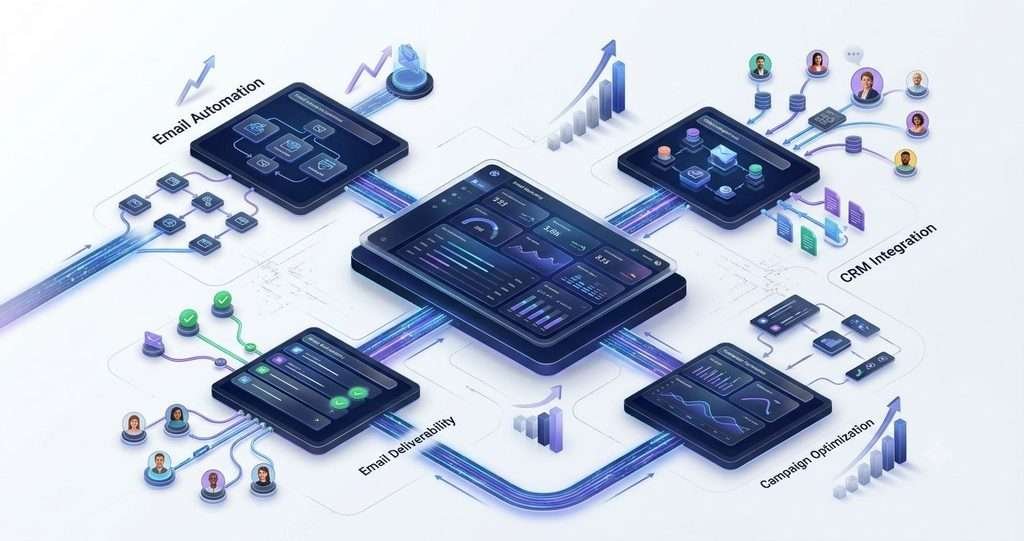
A Series A startup needs more than attractive newsletters. It needs a repeatable email system that supports marketing, sales, customer success, and revenue operations.
Founders should build this system around four operational foundations.
First, invest in the right technology.
Choose an email platform that supports segmentation, automation, integrations, reporting, and contact management. Tools such as HubSpot, Mailchimp, Klaviyo, and ActiveCampaign offer capabilities for different business requirements.
A B2B startup might prioritize CRM integration, lead scoring, and sales handoffs. An ecommerce company might prioritize purchase-based segmentation, abandoned cart automation, and product recommendations.
Avoid paying for advanced features that your team cannot use. Start with the capabilities that solve immediate business problems and expand as your customer database grows.
Second, protect email deliverability.
A well-written campaign cannot generate revenue when it fails to reach customer inboxes. Companies should authenticate their sending domains, monitor sender reputation, maintain clean contact lists, and avoid purchasing email databases.
Google introduced additional requirements for bulk senders, including email authentication, easy unsubscribe options, and spam-rate controls. These requirements matter for companies that send more than 5,000 emails per day to personal Gmail accounts.
blog.google
Teams should also collect appropriate consent, maintain transparent subscription practices, and follow applicable privacy and anti-spam regulations.
Third, create a consistent testing process.
Build a monthly optimization schedule that reviews campaign performance, audience engagement, conversion rates, and revenue contribution.
Test new approaches without changing the entire strategy after one unsuccessful campaign. Compare results over meaningful periods, monitor customer segments separately, and use actual conversion data to guide decisions.
Fourth, connect marketing with sales and customer success.
Email Marketing becomes more valuable when teams share customer information and coordinate their communication.
For example, when a prospect requests a product demonstration, the CRM should record that activity and notify the appropriate sales representative. The marketing team can then pause irrelevant promotional emails and move the prospect into a more relevant communication sequence.
Similarly, when customers stop using a product, customer success teams can identify potential churn risks and coordinate educational emails or personal outreach.
This integration creates a continuous feedback loop between marketing activity, customer behavior, and revenue performance.
Start with a focused 90-day implementation plan: establish the infrastructure during the first month, launch essential automated workflows during the second, and optimize campaigns using conversion and revenue data during the third.
The goal is not to send more emails. It is to build a system that helps the company acquire better customers, strengthen relationships, and increase the value of every customer interaction.
Email Marketing deserves a central position in every Series A growth strategy because it connects customer relationships with measurable commercial outcomes. Companies that combine segmentation, automation, personalization, and revenue-focused measurement can turn their email database into a long-term competitive advantage.
Written By @scalevimedia.com
External Resources and Research References
The following resources support the factual information and industry practices discussed in this article.
1. Litmus – Email Marketing ROI: Research on email marketing returns, campaign performance, and factors that influence ROI.
Read Litmus Email Marketing ROI Research
2. McKinsey – The Value of Getting Personalization Right: Research on personalization, customer expectations, acquisition costs, and revenue growth.
3. Google – Email Sender Guidelines: Official guidance on email authentication, unsubscribe requirements, and bulk-sender practices.
Read Google’s Email Sender Guidelines
4. Mailchimp – Email Marketing Engagement: Documentation explaining subscriber engagement, audience segmentation, and targeted communication.